

Herzlich Willkommen
bei der DG Aviation GmbH
Immer informiert sein…

DG Aviation – Ihr Partner in der Luftfahrt!
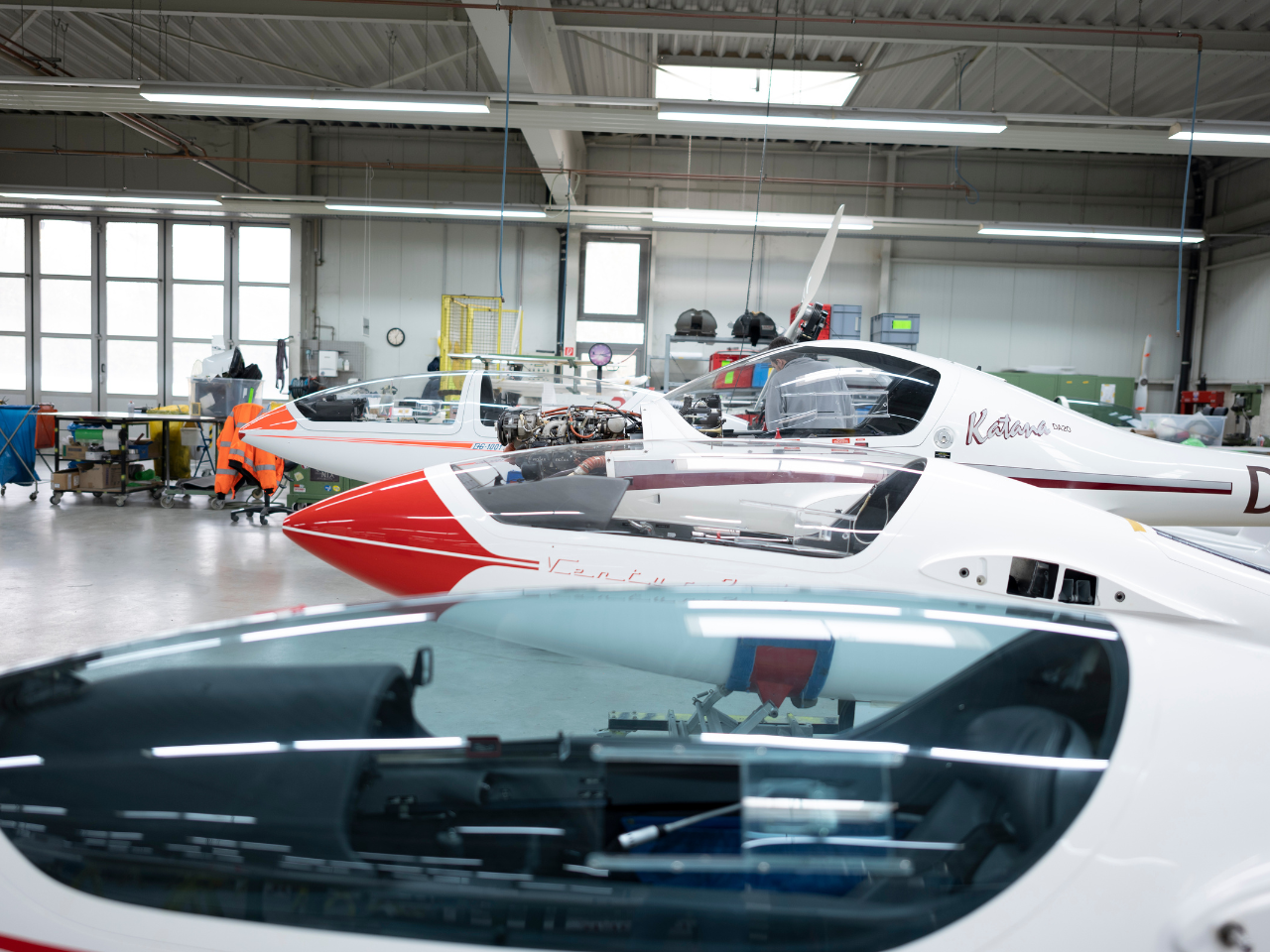
Als zertifizierter Instandhaltungsbetrieb nach Part-CAO und Entwicklungsbetrieb nach Part 21J betreut die DG Aviation GmbH vor allem Segelflugzeuge und Motorsegler sowie ELA1 Flugzeuge.
Die fachkundige Kompetenz erstreckt sich dabei über die jährliche Lufttüchtigkeitsprüfung bis hin zu komplexen In- standhaltungsarbeiten und Reparaturen oder auch Tuningmaßnahmen aller Art.
Holger Back und Sebastian Tschorn mit dem Serviceteam aus Ingenieuren, Prüfern, Leichtflugzeugbauern und begeisterten Piloten sind Ihr Servicepartner für Luftfahrzeuge unterschied-lichster Hersteller. DG Aviation umfasst die Geschäftsbereiche Service & Wartung, Neuflugzeugverkauf sowie den Entwicklungsbetrieb. Die Produktion von Neuflugzeugen findet in der JSDG Production GmbH statt.

Entdecken Sie unsere
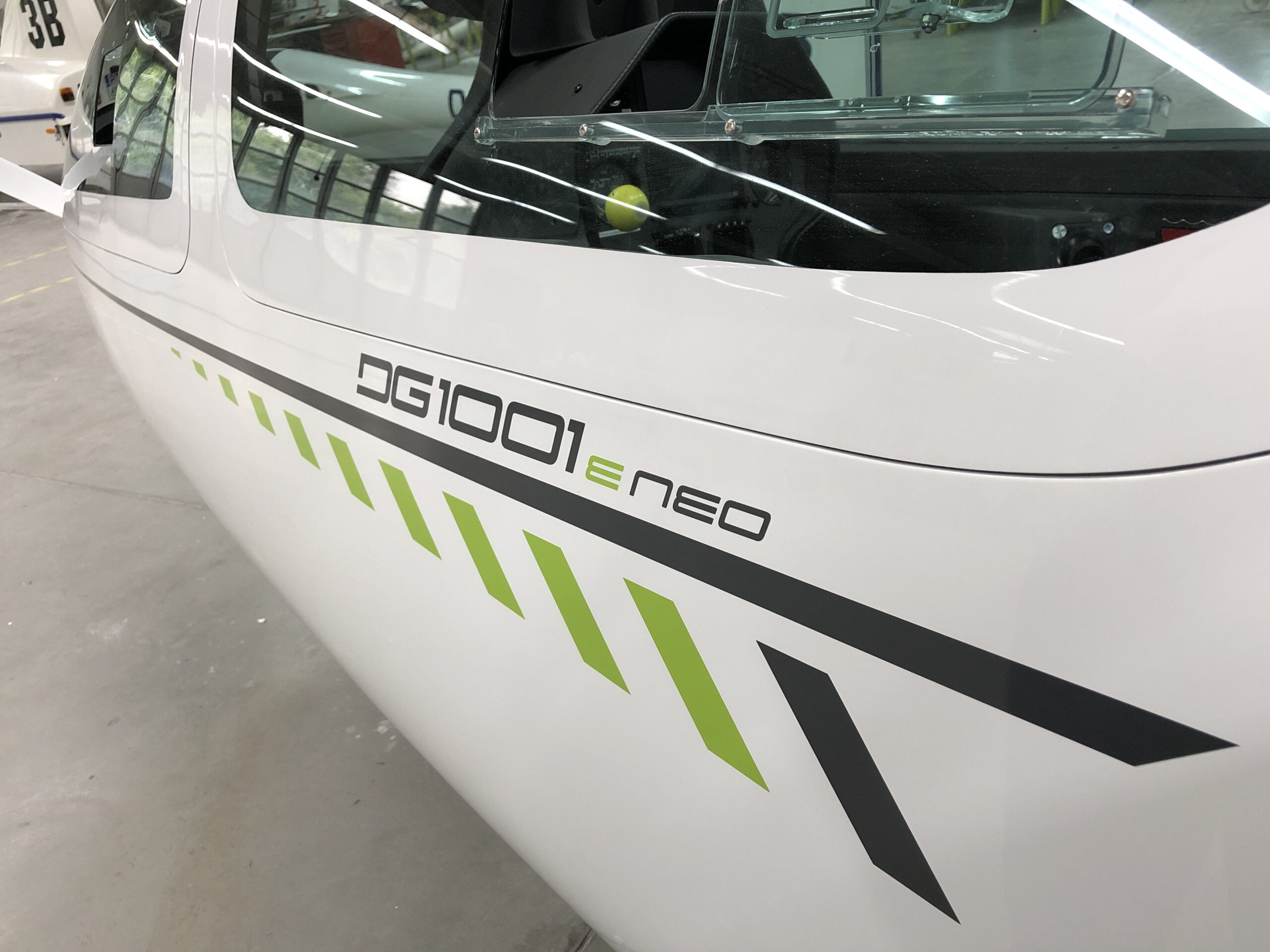
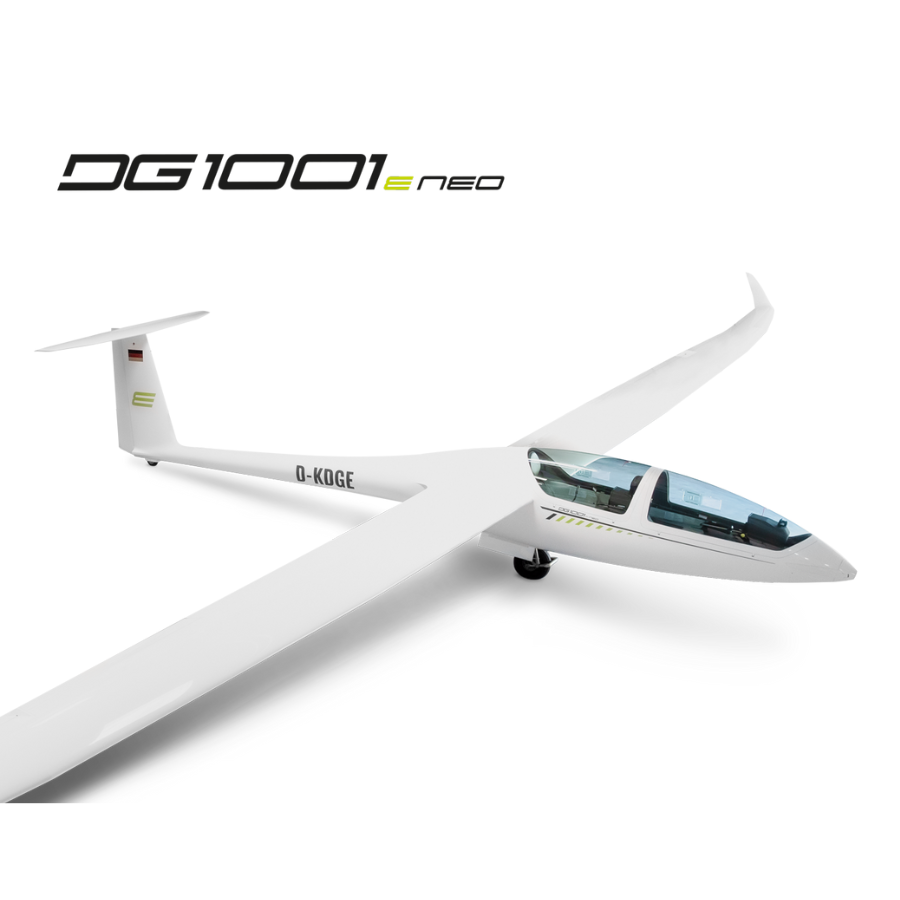
DG1001e neo
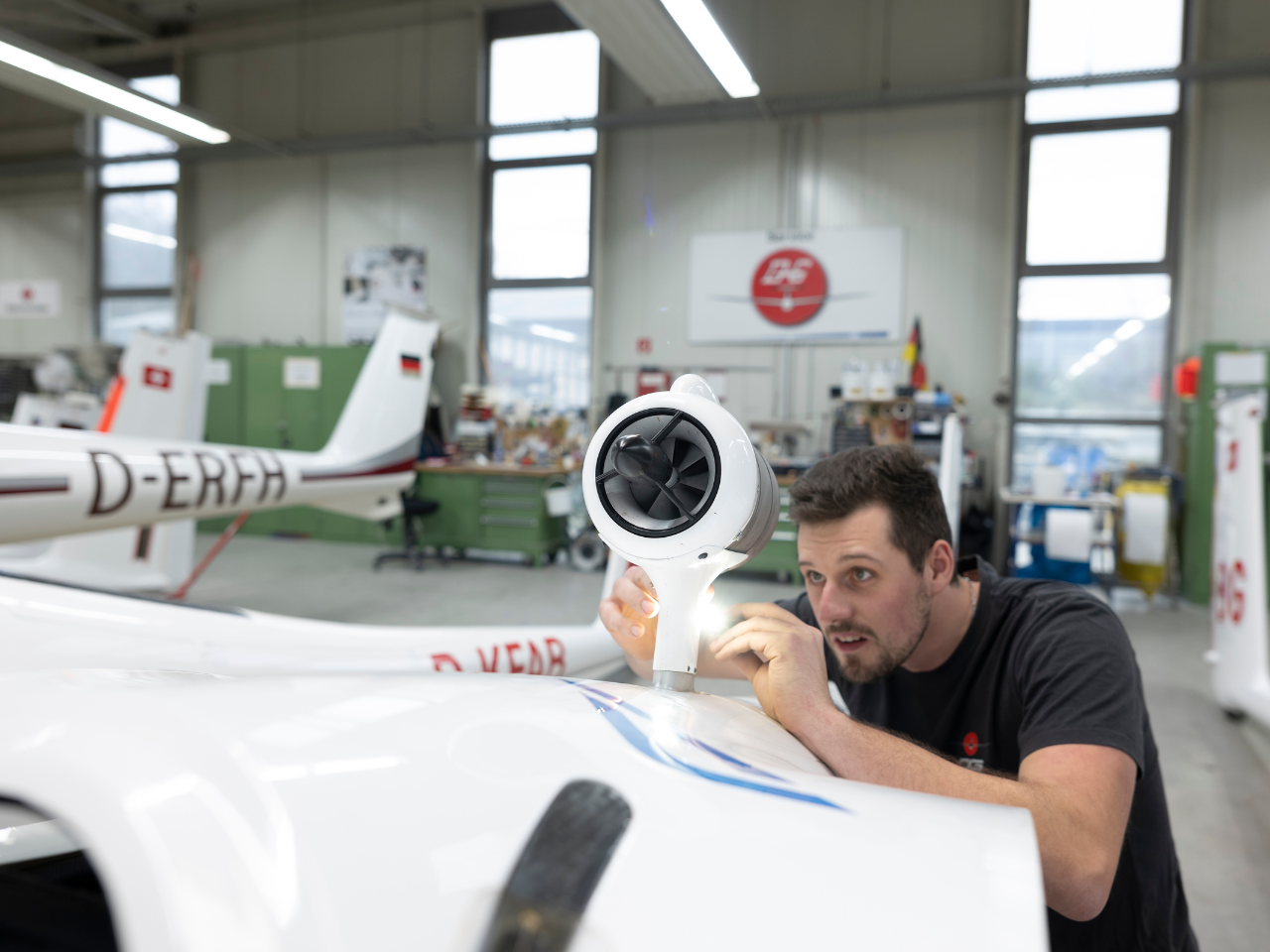
Die DG1001e neo ist das erste in Serie gebaute, doppelsitzige Segelflugzeug mit dem beliebten FES Antrieb. Dieser innovative Antrieb, neue 20m Außenflügel mit neo Winglets und das moderne, komfortable Cockpit machen dieses Flugzeug zum echten Allrounder für Streckenflieger als auch Vereine. Dank großer struktureller Reserven ist auch der Kunstflug weiterhin möglich.
Service rund um Ihr Flugzeug
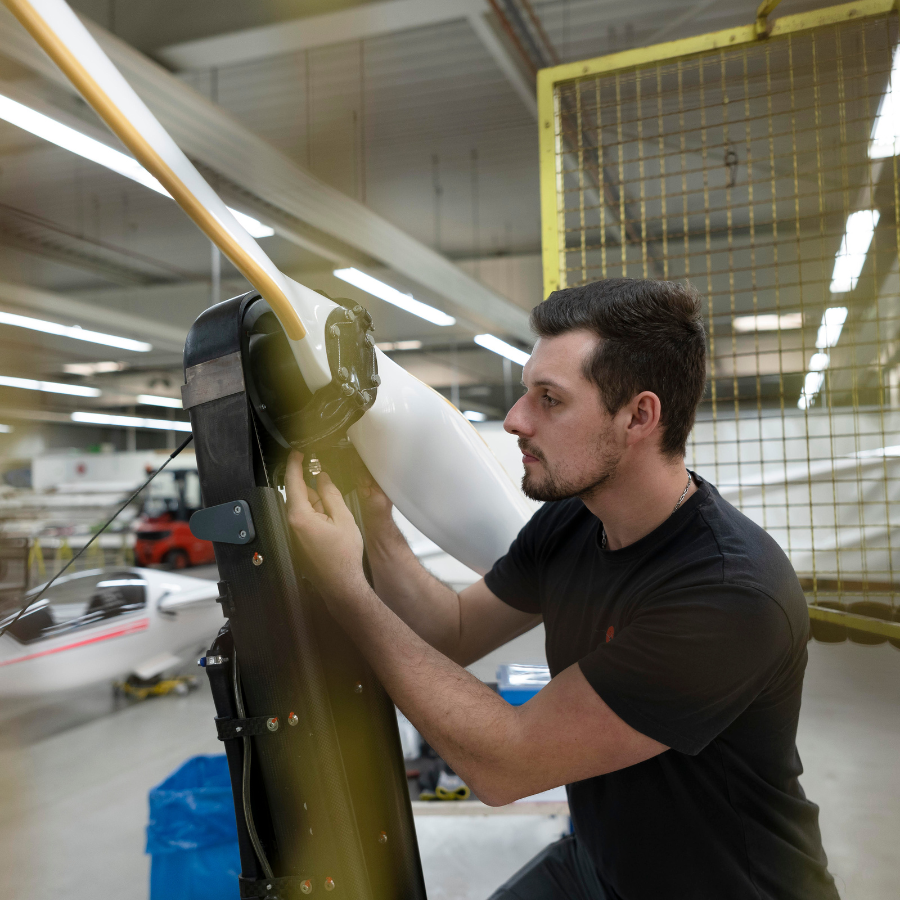
DG ist mit der großen Wartungsabteilung einer der größten Betriebe für Wartung und Instandhaltung in Deutschland. Ein großes Lager mit mehr als 15.000 Artikeln sowie eine eigene Lackiererei ermöglichen Flexibilität, Effizienz und Qualität. Mit unserer langjährigen Erfahrung sind wir Ihr kompetenter Partner für Flugzeuge aller Hersteller.
Go neo!
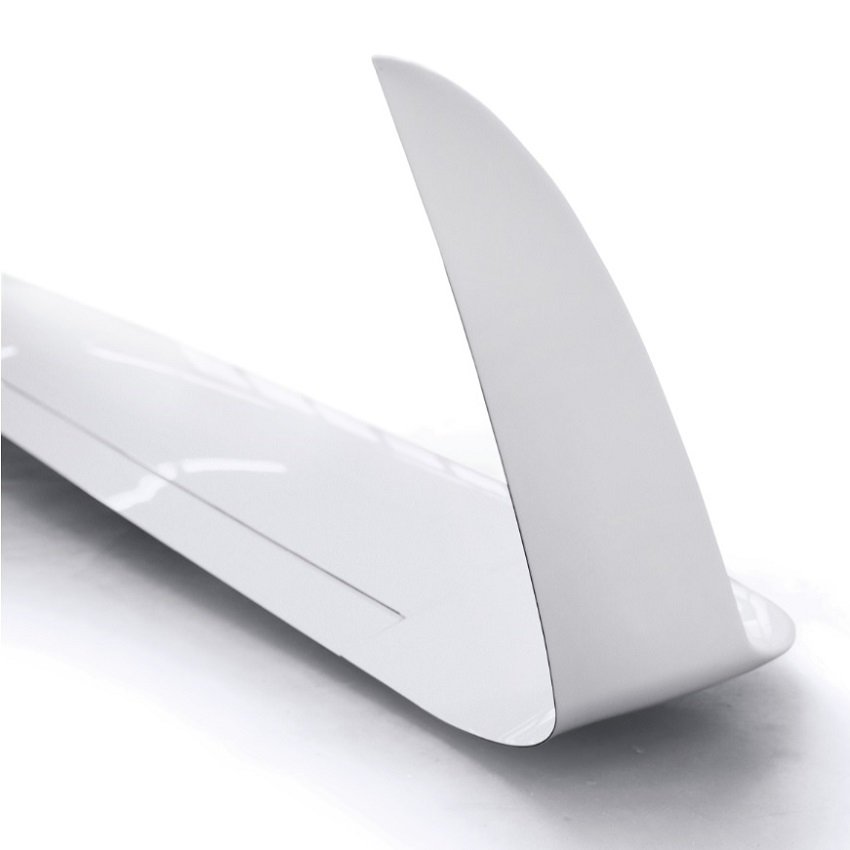
Die Winglet-Serie von DG Aviation
Die Winglets der neo-Familie verbessern vor allem die Rollwendigkeit und das Steigverhalten. Je höher die Flächenbelastung, desto deutlicher der Einfluss unserer neuen Flügelenden. Mit den verbesserten Flugeigenschaften und dem modernen Design fühlen Sie sich als hätten Sie ein neues Flugzeug! Wir beraten Sie gerne zum Anbau neuer Winglets an Ihr Flugzeug.